The release-window playbook: planning a campaign backwards from launch day
Why the best entertainment campaigns start at the finish line — and a simple framework for mapping every beat before the first teaser drops.
Every release has one date that matters more than any other. So why do so many campaigns start with the first teaser and hope everything lines up after it? We plan the other way round.
Start at the finish line
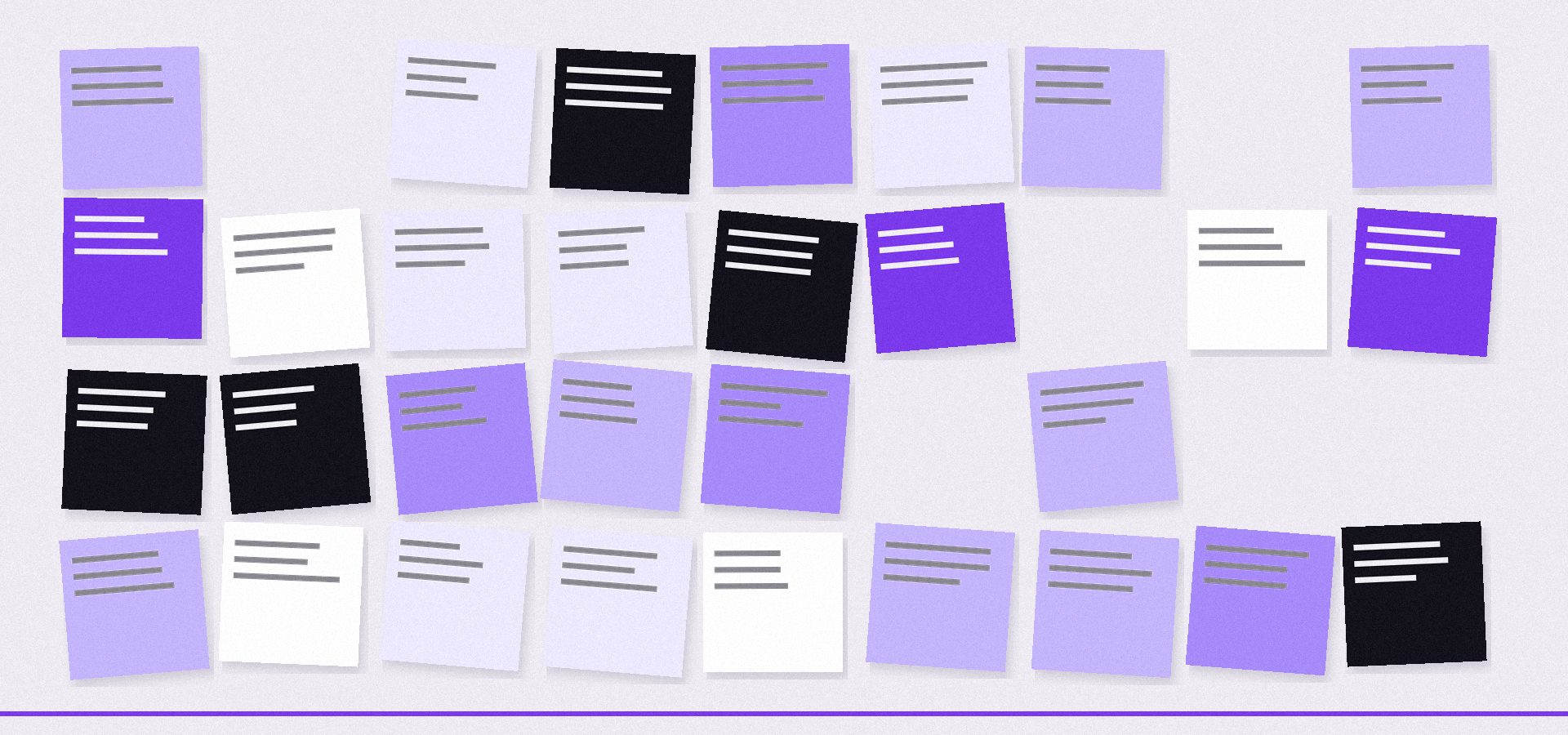
Put launch day at the far right of a timeline. Then ask a simple question: what does the audience need to know, feel and do in the week before? Those answers become your final beats — reviews, reminders, pre-orders, tickets. Only then do you work back to trailers, reveals and the first announcement.
Planning backwards forces every early asset to earn its place. If a teaser doesn't set up something that pays off later, it's noise.
If an early asset doesn't set up something that pays off on launch day, it's noise.
The four phases
We break most campaigns into four phases. The lengths change with every project, but the order rarely does:
- Announce — plant the flag with a title, a date window and one striking image.
- Build — trailers, characters and behind-the-scenes content that grow curiosity.
- Convert — clear calls to action: tickets, wishlists, pre-saves and pre-orders.
- Sustain — reviews, fan content and community moments that keep the release alive.
Make one plan, not three
The website, the social calendar and the paid media plan should all hang off the same timeline. When your brand, marketing and product teams work from one document, the key art is ready when the site needs it and the pre-order page is live before the ads point to it.
That is exactly why we keep marketing, branding and software under one roof — every team works from the same calendar.
Your checklist
- Fix the launch date, then mark your conversion window before it.
- List every asset each phase needs, and who makes it.
- Line up your website and store before the first paid push.
- Plan the week after launch as carefully as the week before.